
Homemade Jam Jar Labels

Photobucket

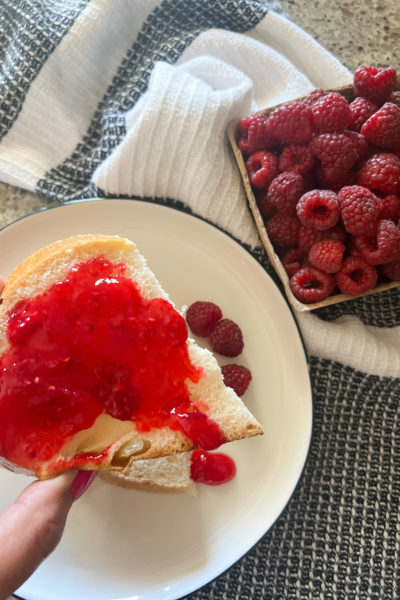
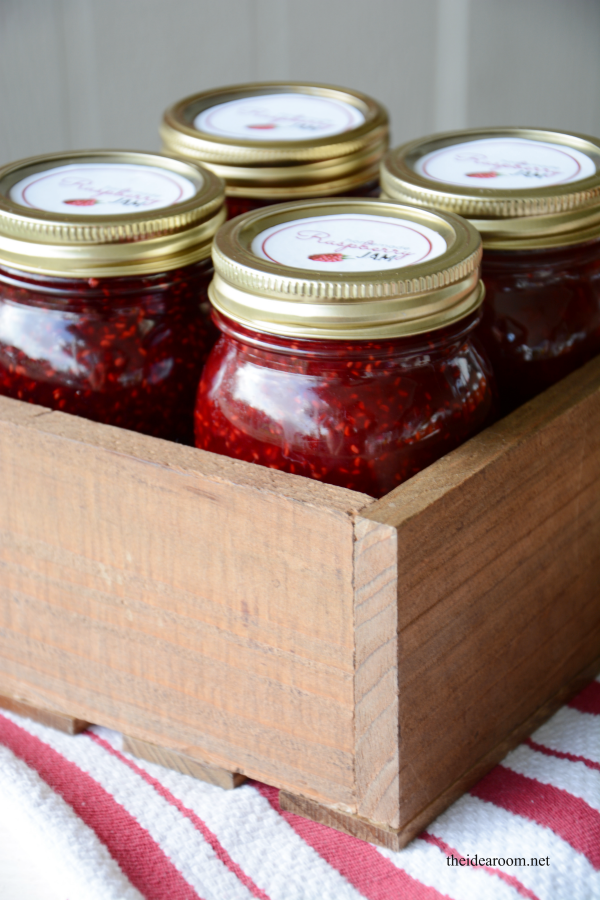
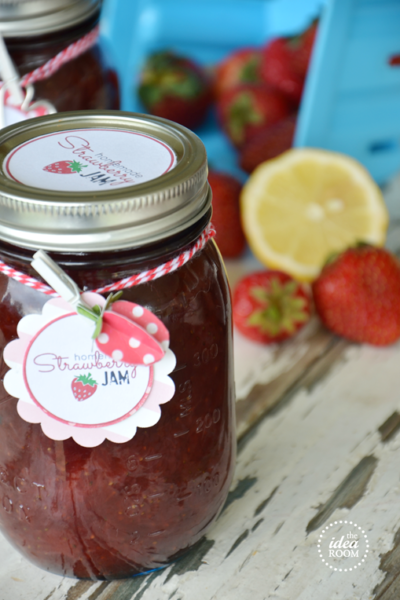
So along with bottling some apricots this summer, I also made some more homemade freezer jams. YUM! Our favorites are raspberry and strawberry. So easy and so simple to make. See this post for directions to make your own.

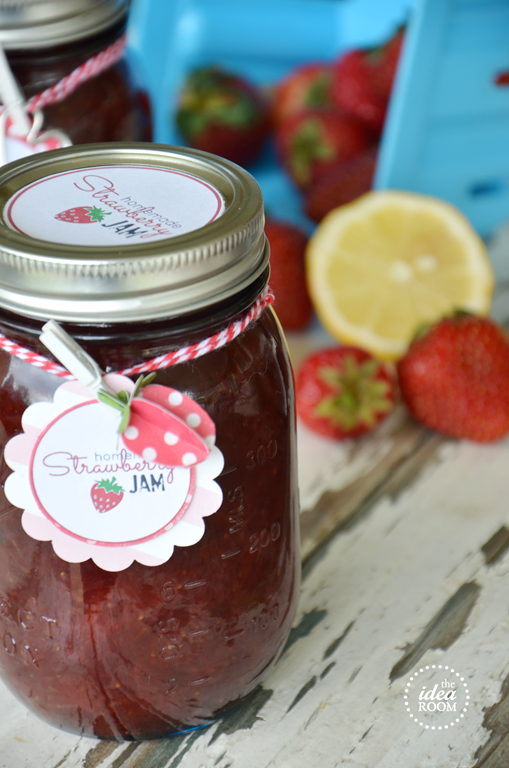
Then while blog surfing, I came across these adorable labels from Intimate Weddings that you can download for free. I was all over that! Aren’t they so fun? How fun would it be to get some homemade jam and a loaf of bread as a nice little gift from a neighbor or a friend?

While searching I found these other free labels that are also downloadable.

Eat Drink Chic
Domestifluff
Wendolonia

Photobucket

Happy Jamming!

★Amy 

Bottling Apricots

Photobucket

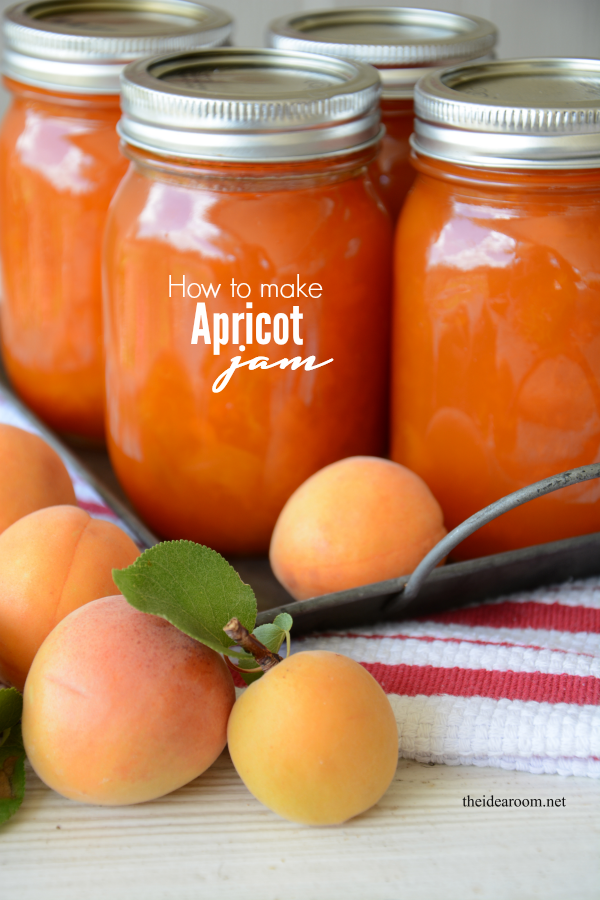
Anyone else been spending some time canning this year? I was able to get my hands on some free apricots this past week. So I made some cooked apricot jam (my husband’s favorite) and with the left over apricots I bottled some.

I had never bottled apricots before but they were pretty easy. They can be bottled using the same process for bottling peaches which I posted about last year here.

Here is the step by step process: (Read through all directions before starting).

You can use a heavy, medium or light syrup. I used a light syrup. Because apricots are a fruit, they are naturally high in acid and can be canned in a hot water bath.

1. To make a light syrup you will need: (makes enough for about 9 pints)
5 ¾ cup water
1 ½ cups sugar

2. Put syrup on stove top to boil while you blanch and peel the apricots.

3. While the syrup is coming to a boil, dip fruit into boiling water bath for about 30 seconds or long enough to loosen the skins. Immediately remove and then dip the fruit into a cold water bath.

4. Then remove the apricot skins. The skins should slip off easily. Cut the fruit in half, remove the stone or pit and sprinkle a little lemon juice over it (or fruit fresh) to keep it from discoloring. Because lemon juice has a very high acidic count, you needn’t worry about adverse affects to the final product.

Photobucket

5. Place the prepared apricots face-down into your hot and sterilized jars. (I run mine through the dishwasher so that they are hot and sterilized when I begin to can. Fill the jars 3/4 full of apricots. Now take your boiling hot light syrup and fill the jar to the top leaving 1/4 inch headspace. Run the handle of a butter knife around the jar and apricots to loosen any air bubbles. Wipe of the rim of the jar so that the lids seal properly. Add a new canning lid and screw on a jar ring.

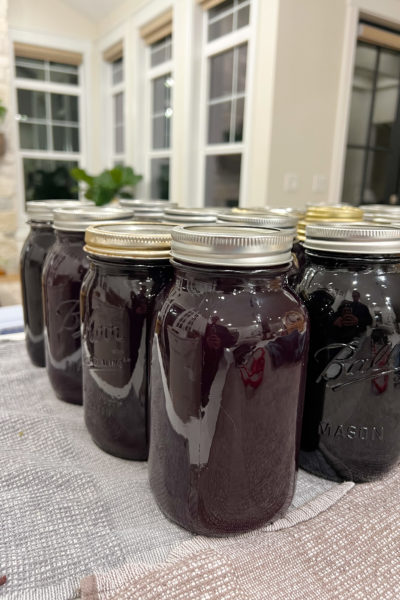
6. Then place your bottles of apricots into a hot water bath. Be sure that the tops of the bottles are covered by 1-2 inches of water. Process your apricots according to your altitude. When finished processing, remove bottles carefully from the hot water bath and set onto a towel to cool on your counter top!

Altitudes and Processing Time:
1,000 feet – 20 minutes
1,001 to 3,000 feet – 25 minutes
3,001 to 6,000 feet – 30 minutes
6,001 and higher – 35 minutes

I love coming into the kitchen and seeing how pretty these bottles look. I have been known to leave them out for a couple of days just to admire my handiwork :)!

Can’t wait for winter to pull these babies out and eat them. Anyone have any yummy recipes I could use these apricots in??

What produce are you planning on canning (or have canned) at your house?

★Amy 

How to Can Peaches

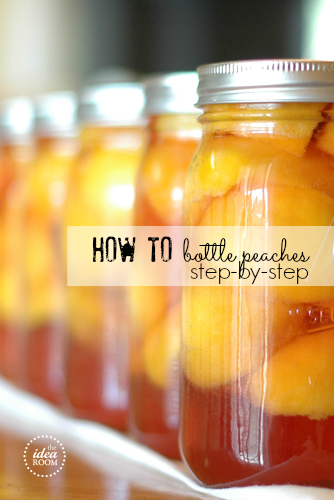
Have you always wanted to can your own peaches? It really is not too difficult and you CAN do it. Today I am sharing with you a simple tutorial to teach you How to Can Peaches!

Canning-Peaches

Bottling Peaches


It has been a busy week in the kitchen around here! Canning is a bit of work, but can be quite fun, especially with a friend. In my case, my mom and sisters came over and we spent an afternoon making these lovelies! Bottled peaches are a little more involved than freezer jam and you need a water bath canner. But they really are not that difficult, especially if you have someone there helping you.

Here is the step by step process: (Read through all directions before starting).

**You should be able to fit about 4 to 5 peaches per quart size canning jar, depending on the size of your peaches. Peaches should be ripe, but not over-ripe and bruised.

1. Sterilize your wide-mouth canning jars in the dishwasher before beginning your peaches. Wash off your peaches and set aside.

2. Bring a large pot of water (half full) to a boil. Then set up a large bowl of ice water near your boiling water pot. Immerse a few peaches in your boiling water for 30 seconds. Quickly remove them with a large, slotted serving spoon. Immediately tranfer peaches and immerse into your bowl of ice water to quickly cool them. Leave peaches in the cool water for about 1 minute. Remove peaches and set aside on the counter top.

3. Prepare the syrup for bottling your peaches. You can choose from three different consistencies: light, medium or heavy syrup.
light: 1 and 2/3 cup sugar to 4 cups of water
medium: 2 and 2/3 cup sugar to 4 cups of water
heavy: 4 cups sugar to 4 cups of water
Mix together your water and sugar in a pot on the stove and bring to a boil over medium heat.

4. Peel, halve and pit peaches that have been plunged into the boiling and ice baths. Soak the halved peaches in an ascorbic acid solution. To make the ascorbic acid solution you need to mix 8 cups of water with 3 Tablespoon of Fruit Fresh or Citric Acid. Fruit fresh can be found near the canning supplies in most grocery stores.

5. Let the peaches soak fully immersed for a few minutes in your ascorbic acid solution. The ascorbic acid solution will prevent your peaches from turning brown.

6. Fill each jar by placing the cut sides of the peaches down and towards the middle of the jars. Fill the jar with as many peach halves as possible, but be careful not to squish them.

Canning-Peaches

7. Fill the jar with your prepared syrup. Carefully stick a butter knife into the sides of the jar to remove excess air bubbles. Leave a 1/2 inch headspace at the top of the jar.

Bottling-Peaches

8. Place lids and rings on your jars and place filled jars into a boiling water bath. Make sure that the water covers the tops of the jars when the rack is lowered into the pot. Boil and process for 25 minutes for quart size jars or 20 minutes if you are using pint sized jars.

9. After 25 minutes remove jars from boiling bath and set on a towel to cool. Do not move until the jars have sealed. You should hear a light popping sound as the lid seals. If a jar does not seal (you can tell by pushing on the lid), you can reprocess the jar, or just put it in your fridge and eat within a few days.

Canning-Peaches

The best part of canning is seeing all your beautiful hard work lined up on your storage room shelf, and eating summery peaches in the middle of winter isn’t so bad either! Anyone have any great recipes that call for bottled peaches?

**Our peaches were so large this time, we actually cut them into quarters. But cutting them is half is better. The bigger the piece of fruit, the firmer and less mushy it will become!