Getting Children to Eat Their Vegetables

kids-and-vegetables

Veggie battles are about much more than just carrots and peas. They are power struggles between us and our children.  Today I am sharing some tips that can teach you how to get kids to eat vegetables.

Remember…

Kids have very little say in their lives. We tell them when and what to eat, when to sleep, when to play, what to wear, everything. They are looking to have control over their lives. As parents, if we are always ordering our kids around and demanding they do certain things (like eat their vegetables), we are taking away their personal independence and power. They will act out and try to regain some control.

There are essentially two things that children have ultimate control over, going to the bathroom, and eating. They will use both of these things as “power tools.”

Kids will test us. They are looking to get a response and reaction out of us. They will exert power (like refusing veggies) to see how we respond.

When our kids feel trapped or helpless, they fight back. They know they are dependent on us and that we make the rules, so the helpless feeling leads them to negotiate, talk back, argue, refuse and fight.

Our kids are always looking to exert their independence. Regardless of their age.

That said, we can be pretty hard on ourselves when our kids won’t eat their veggies. But just because your son won’t eat his broccoli, doesn’t mean you are a bad mom. I can’t get my husband to eat pickles or olives. That doesn’t make me a bad wife.

So what CAN we do?

One of the best things we can do when it comes to vegetables is give our children a choice. Yep, give your child two different vegetable options at meals. One option will make our children feel forced. “You have to eat carrots.” Two options gives them a choice. When we give our children choices, even if they are small choices, they feel in charge of their lives. They feel responsibility and ownership. Your child will be more likely to actually eat the vegetable because they chose it.

Instead of telling them what to eat, they get to choose what they want to eat. Now, I am not implying you become a short order cook, or start cooking them different meals than the rest of the family. Instead, explain the importance of eating vegetables and then ask if they would like broccoli or peas and let them choose.

Giving them this choice will help them feel in control, strengthen your communication and give you a better understanding about your child’s preferences and how to deal with them.

Often times as parents we get so caught up in trying to do the “right things for our children”, that we miss the fact that our children are people just like us, with thoughts and feelings and preferences.
In my mind (and sometimes out loud), I say things like, “I worked hard to cook this for you, now eat it”, or “I am trying to be a good parent and help you grow healthy and strong, now eat it”. Or, when we are with other people I worry what they will think of me as a parent if my kids refuse to try their vegetables. Throw those thoughts out the window.

Respect your children’s opinions and they will respect you. DON’T GIVE UP. Allowing choice doesn’t mean your kids have won. It means you really love them and treat them as you would want to be treated. We can’t let our egos, take over our parenting.

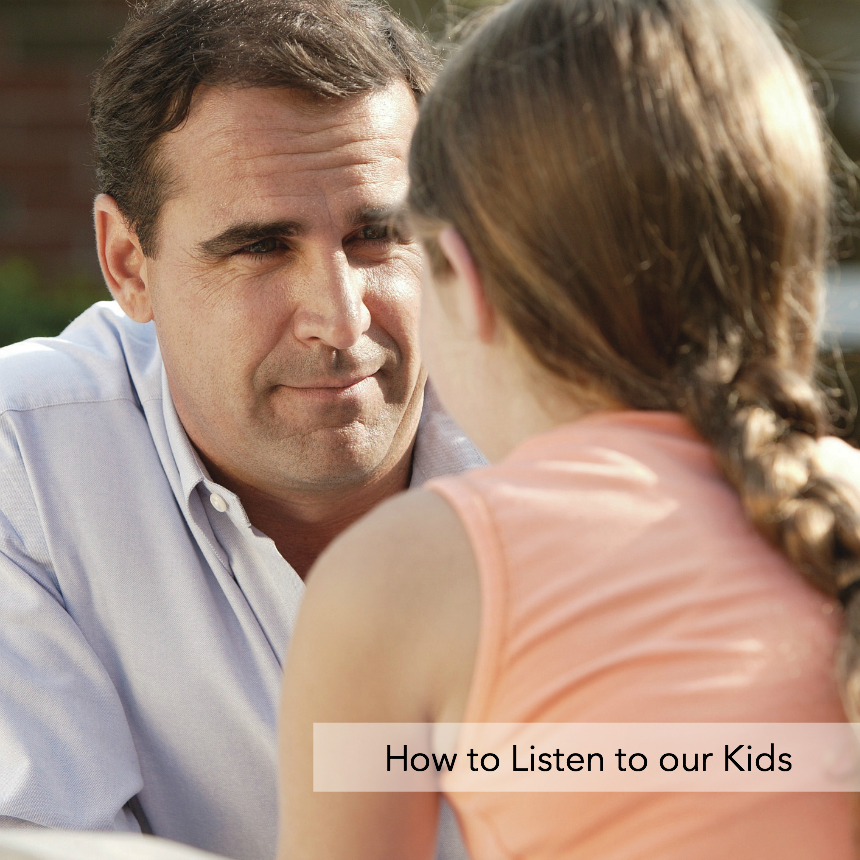
Don’t let your kids throw their food, or shove their plates across the table. Don’t let the situation escalate to that point. If our child is young, ask them to use their “words” to tell you they don’t like something. When they tell you they don’t want to eat it, respect their opinion and thank them for talking to you instead of throwing a fit. Then, take the food they don’t want away, and move on. If your child feels you are listening to her and respecting her opinion, she will start to come around and maybe even try the veggies she rejected.

We don’t want veggie battles to ruin our family dinner either. We are trying to create memories and rituals that stay with our family long after the “vegetable battles” are over. Make dinner enjoyable and fun for everyone. If our children know that every time your family sits down to eat there is going to be stress over the food, they will not want to be there. “One bite” or “just one carrot” is not worth it. We don’t need to get frustrated, loose our temper, or get worked up. When we act that way, we are letting our pride overshadow our love for our child.

We have fought the veggie battle in our house. Our son has always been very willing to try every single vegetable we offered him. Then we had our daughter. She would sit tight lipped, refusing to even open her mouth. It has taken time, but the more respect that I show her, the more she is willing to try new things. The more I listen to, and respect her opinion, the more she is willing to try new things. The more I give her choices, the more she feels in control and the more she is willing to try new things.

Other ideas…

Remember that children have to be exposed to food approximately 10 times before they will accept it. What ever you do, don’t stop offering the vegetables. Always offer them, always.

Try veggies in all different forms. Raw, cooked, add some butter, salt, pepper, teriyaki sauce, pasta sauce, even a little ranch dressing could change things. Most kids will eat anything with “dip dip sauce”. There is nothing wrong with spicing things up a bit. After all, most adults don’t even eat vegetables without “something” on them.
Try every vegetable you can get your hands on. Think outside carrots and peas. When our daughter was two she would only eat raw zucchini. Who would have thought.
Let them help you cook. Get them involved in every step of the process.
Grow some vegetables. Children love to plant and tend to gardens. Teach them about the process and they will want to taste what they have grown.
The favorite in our house. When our children are little, I add small pieces of cooked carrots and peas in my children’s cheese quesadillas and grilled cheese sandwiches. Cook up a few carrots until they are nice and soft. Slice them very thin and layer them with canned peas, amongst the cheese.
Use all the tricks, dice veggies up very small and add them to your hamburger meat, your spaghetti, anything. Find ways to add veggies in his favorite foods.
If, for nutritional reasons you are still concerned. Be sure your children are taking a vitamin each day. Along with that, make him a smoothie each day with vegetables mixed in with some fruit, ice, and a little yogurt. he will love it, and never know that he is eating spinach and carrots from dinner the night before. The goal is to find the vegetables they like and work with it.

Remember, this is bigger than just zucchini and carrots. We are building relationships of trust and family memories. Don’t let the vegetables become more important than your relationship with your children.

Do your kids like vegetables?
How do you handle “veggie battles” in your house?

Have a question or just want to say hello.

Teaching Values Through Children’s Books

It’s time once again for Heather Johnson from Family Volley to share some of her amazing Parenting Tips on Teaching Values Through Children’s Values from childrens story books as part of her “Parenting Tips Series” here on The Room. Here’s Heather in her own words.

–Amy

best-childrens-books

We love children’s books at our house. You probably do too!
 

But children’s books aren’t just for kids, they are great tools for us as parents too. A good story book can be one of our best allies in parenting. 

Children’s books are a great resource we can use to teach our children. They can help our children through new stages of life. They can teach our children how to handle experiences that are unfamiliar and new. They are a great way to teach our children values and appropriate social behavior. Children’s books can even help ease anxiety and help children cope with situations like moving, bullying, or starting kindergarten. 
Good books also allow our children to hear messages from someone else, so they don’t feel like they are constantly hearing reprimands and counsel from us. 
We have favorite books at our house. Our favorite series is the Berenstain Bears. One of our favorites is “Forget their Manners.” The book is a great example of how we can use children’s books as teaching tools.
In “Forget their Manners”, Sister Bear is in Brother Bear’s way, and instead of getting mad; Brother says, “No harm done.”
After reading this to our kids, we started saying “no harm done” around the house when similar situations happened. It helped our kids remember what they had been taught in the book and reiterate the principles in our every day experiences. It is this reiteration that solidifies the values that books teach.
Books have the power to teach our children life skills and values. They have an amazing way of emphasizing principles we are already trying to teach our children. Principles like using good manners. They can help shape our children’s character. Books are also a great way to help our children understand topics that we might not know how to explain.
There are MANY great book choices out there. Here are a few of our favorite children’s books that teach values. (Some are older, some are very common, some you might have never heard of, and some you will have to find in your parents basement.)
· “The Empty Pot” by Demi – From looking at the cover of this book, it wouldn’t be the first one you pulled off the shelf, but it is a MUST read for every family. The life lessons are endless. A MUST read! Find this one, acquire this one, check this one out.  
· “Berenstain Bears” by Stan and Jan Berenstain – There are a number of Berenstain Bears books. Every one teaches valuable principles. The older books by Stan and Jan are my favorite.
· “I Like Myself” by Karen Beaumont – Teaches self-esteem and self confidence.
· “Why Do You Always Have To Say Please” by Wendy Rosen and Jackie End – Teaches proper manners, especially when you eat at a restaurant. Manners make things better for everyone. 
· “Power Series” – 12 different books on a number of subjects (values and life skills. The power of Courage, The Power of Perseverance, etc…). These will be hiding in a basement next to the Encyclopedias and Childcraft books. Find them!
· “Green Eggs and Ham” by Dr. Suess- We probably all have this at our house. It is a household favorite that teaches our children to try new things and eat their vegetables. Have you ever thought to apply it to your children’s lives that way?
· “The Little Engine that Could” by Watty Piper – Teaches perseverance and the importance of not giving up. My husband likes the clown, and likes to talk to our children about support and cheering for others. 
· “If I Obey I’ll Be Happy All Day by Peggy Barton – One of the very best books about obedience. This is very old, and almost impossible to get your hands on, but if you can find one in a relatives basement, don’t let it get away. 
The next time you are reading a book to your child, take a minute to think about how you could use the message to teach your children. Draw parallels and correlations and then incorporate those into your everyday life. 
Bond with your child and teach values and life skills at the same time, by reading together. You will never regret it.

I shared these books with Studio 5 (a lifestyles show here in Utah) a few weeks ago. Watch the video for more details about each of the above books. Especially “The Empty Pot.” have I mentioned it is a must read?! The video lets you see each of the books, so you know what you are looking for. 

Do you have a favorite children’s book? Share it with us!

Have a question or just want to say hello.


Why we need to Play Games With our Kids

It’s time once again for Heather Johnson from Family Volley to share some of her amazing Parenting Tips on How To Play with Our Children as part of her “Parenting Tips Series” here on The Idea Room. Here’s Heather in her own words.

–Amy

games

We have all heard the benefits that come from playing with our children. It is vital to their development and learning. But sometimes, one more round of Candy Land can seem like torture. We are thinking about all the other things we need to get done. We are bored with the games, or maybe we have a hard time letting down our guard and playing make believe. 

The next time you wonder if you can play super heroes one more time, remind yourself of the benefits that will come from playing with your children. (Keep reading for suggestions on how to stay sane while you play.)

Benefits of playing with our children.  

  • Children use play to learn. They make discoveries about the world around them.
  • Play time gives your child a opportunity to develop their imaginations. They can be a superhero, princess, puppy dog or fireman. All in the same day if they want. When our son was young he went through a phase where every week he pretended to be a different animal. We would research all about what the animal ate, where it slept and how it behaved. Once our son felt like he had learned all he could about the animal, he would move on to the next one. This helped develop his imagination (and he learned a lot too.) 
  • Experimenting through play helps our children figure out what they are good at. Finding things we are good at builds confidence and increases our self-esteem. Research shows that kids who play have more confidence in themselves and higher self-esteem. 
  • Play teaches our children to control their emotions
  • Play teaches our children socializing skills. It gives them a chance to share, cooperate, take turns and learn to handle winning and loosing. 
  • Kids who play have better communication and language skills. Talking to dolls, to you and to their superheroes help build these skills. 
  • Kids feel strong when they play. It gives them a chance to accomplish things and they can be heard chanting “Mommy, look what I made”! “Mommy look what I can do”!
  • Kids develop fine motor skills and hand eye coordination when they play. Using crayons blocks and puzzles, as well as dressing dolls and snapping on clothes and capes, help with these skills. 
  • Playing helps our children stay active and healthy
  • Playing teaches our children to solve problems. When the roof wont stay on the fort, they have to problem solve. When they draw pictures and play fireman, it causes them to figure out how to make things work. 
  • Playing with our kids when they are young, develops trust, and opens lines of communication that we need as they get older. 
Above all, playing is fun. Really fun. Instead of worrying about enrolling our children in a million extra curricular activities, give them free time to play. A child’s job is to play. 
 
What about us mom’s? It is very normal to struggle to stay focused when our three year old wants to play kitchen or Chutes and Ladders all. day. long. 
Here are a few suggestions to help. 


Kids are “copy cats”. They love to copy us. When you have chores to do, ask them if they want to PLAY WITH YOU. They will want to help. It will slow down your work a little, but it teaches them while you work and builds memories that they will remember forever. Our kids love to dust, they love to spray and wipe things down, and they love to do laundry. We make the chores “play” by shooting hoops with clean socks, and stirring pretend food while making dinner. Not only does this help me feel like I am still getting things done, but it builds positive feelings about work in our children. 
 
Remember what it is was like to be a child. Think about the activity from your child’s perspective. Get down on the floor and play. You will see that as soon as you are willing to fully invest, it actually becomes a lot more fun. With three girls, there is a lot of playing kitchen around this house. I always feel awkward at first, spooning pretend food into my mouth and asking for orders from the dolls and stuffed animals. But as soon as I think about what the experience is like for our daughters, and see things from a child’s point of view, it changes everything. I start to get inspired, more creative, and make the experience more fun for them. 
 
We also have to let down our guard. Playing like a child can make us feel silly. I remember when our son was going through his animal phases, he would want me to play along. I fought it for so long because I felt really silly. One day we were at the store and he was talking to me in “dog talk.” He wanted me to talk back to him the same way. I felt a bit embarrassed by what others around us might be thinking. Then it hit me, who is more important, my son, or the strangers in line behind us? The answer was an obvious one and I let out a little bark for him as I let down my guard and started to play along. As we were leaving the store, an older lady tapped me on the back. “He will never forget that”, she said. I learned a good lesson that day. It is okay to play. That is part of my job as a mom.

Play hard but not necessarily long. Giving your child all you have in short spurts is better for you and for your child, instead of pretending for hours that you are interested in the game. Our kids know when we are faking it so it is more important to be in the moment. When you need to move on, it is okay. It will mean more to them to know you are fully invested, and you will feel better about the time you have spend together also.

Don’t multitask/ turn off technology. We have all tried to do this, multitask while we are playing with our children. Or check our email and text messages while we are playing.Trying to multitask becomes a distraction and means we aren’t giving anything our full attention. Put the phones and computers away and play, really play with your child. 


Watch your attitude.  We need to have a good attitude about playing with our children. WE LOVE THEM. We want them to be happy. We want them to learn and grow and develop. In stead of thinking of ourselves and enduring the experience, think about your child and it will be a lot easier to bark like a dog with them.  


If it is hard for you to follow your child’s lead, then you choose the activity. Most of the time, kid don’t care what they play, they just want to play with us. Pick something you like to do and do it together. I love to color. It is one of my most favorite things to do. When we are on our third round of “Don’t Break the Ice”, and I am wearing thin of the activity,  I suggest we color. They are always excited and I am too.  


Parallel play can be okay (in moderation). Playing with your child doesn’t always mean you have to be doing the same thing. They can color or look at books while you do something you need to do. Usually our children just want to be around us so they are not alone. 
 
As parents, it is our job to facilitate play for our children and make sure it is a part of their lives. We can do this by changing our attitude and seeing things from their perspective. We will quickly feel rejuvenated when we really invest our soul in to playing with our kids. 


WHAT IS YOUR FAVORITE GAME TO PLAY WITH YOUR KIDS?


DOES PLAYING EVER MAKE YOU CRAZY?

Have a question or just want to say hello.